

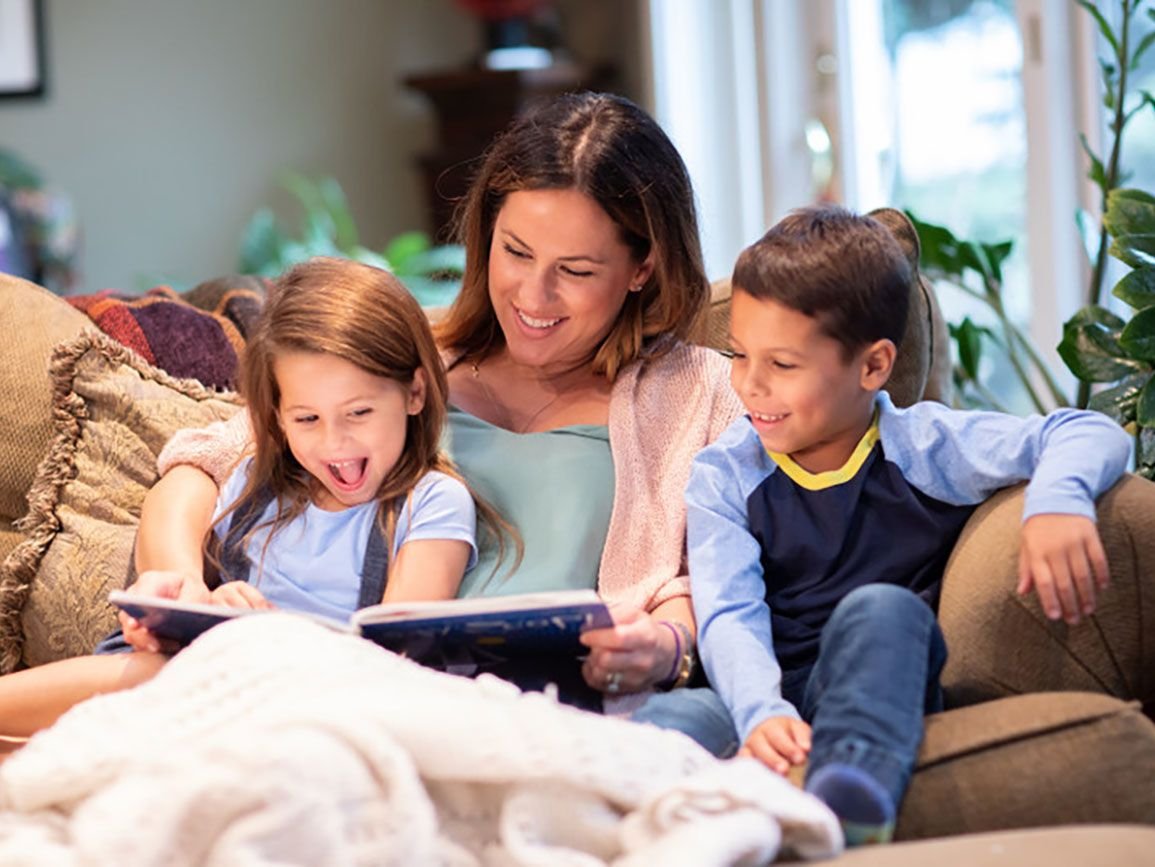
Teaching English at home can feel overwhelming, but with the right structure, consistency, and encouragement, it becomes a meaningful and joyful experience. If you’re wondering how to teach a child English as a second language at home, this guide provides clear headings and practical action steps you can implement right away.
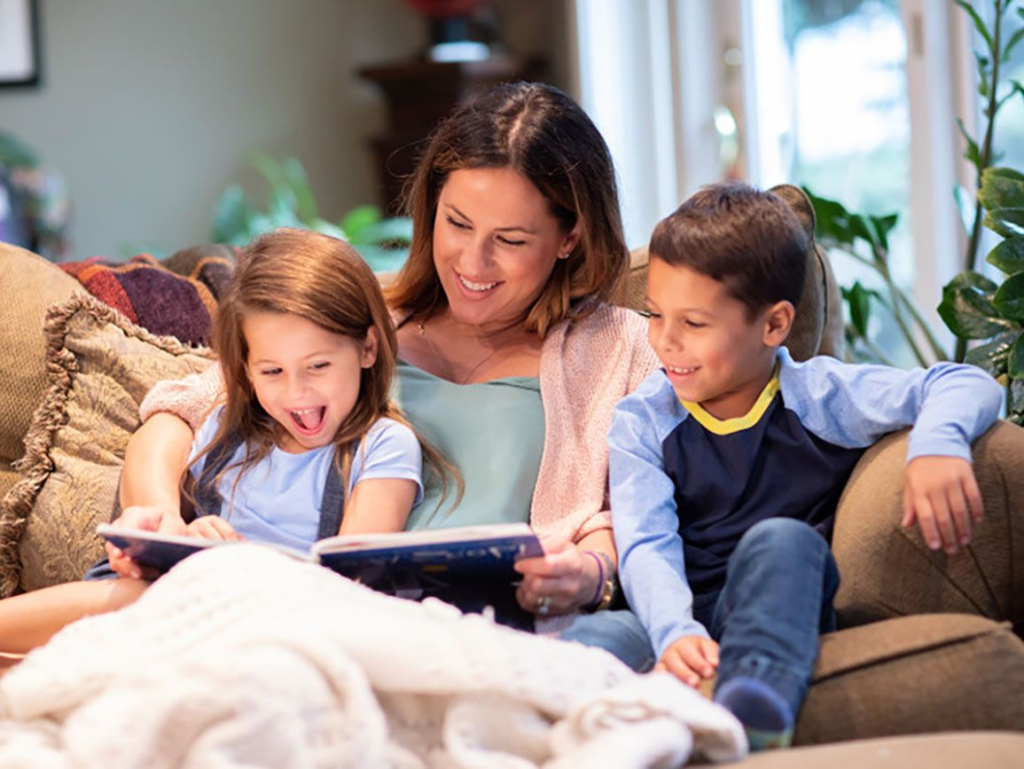
1. Create a Language-Rich Environment
One of the most effective ways to understand how to teach a child English as a second language at home is to surround your child with meaningful English input daily.
Action Steps:
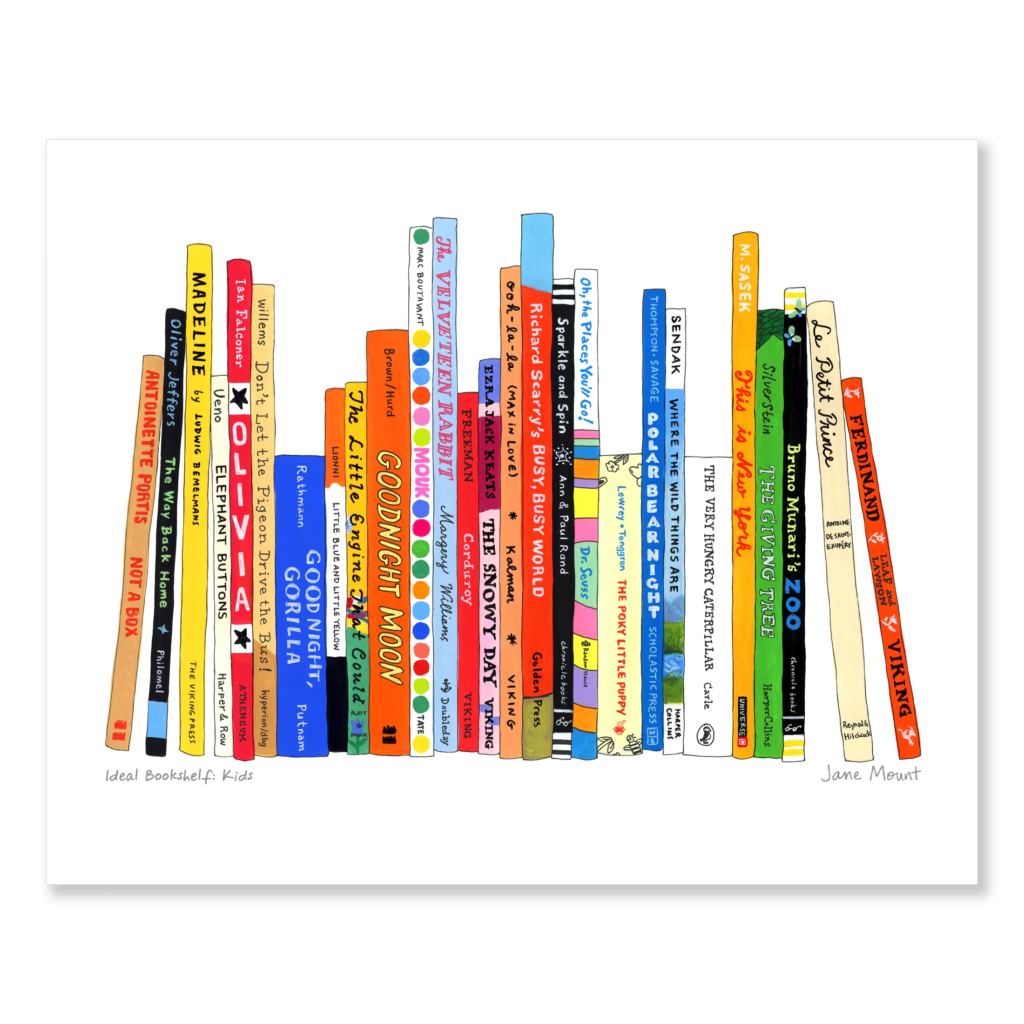
- 📚 Read English books together every day (even 10–15 minutes matters).
- 🏷️ Label common household objects (door, table, mirror, refrigerator).
- 🎧 Play English songs and simple podcasts during routines.
- 📺 Watch short English cartoons with subtitles and discuss them.
Consistency is more important than perfection.
2. Focus on Speaking Before Perfection
Children learn language through interaction, not worksheets. When considering how to teach a child English as a second language at home, prioritize communication. Have regular conversations with your child and make this part of your everyday interaction. Use regular talk to refer to things and name things regularly. Describing what you see and smell regularly.
Action Steps:
- 🗣️ Ask simple daily questions: “What did you eat?” “What do you see?”
- 🤝 Encourage full sentences, even short ones: “I see a dog.”
- 🔄 Repeat and model instead of correcting harshly.
Child: “She go school.”
Adult: “Yes, she goes to school.”
Confidence builds fluency.

3. Build Vocabulary Through Real Life
Vocabulary grows fastest when tied to real experiences. To build vocabulary, use real words for every object you see and touch. For example, name any item you are using when you are dressing or playing with your child.
Action Steps:
- 🛒 Use grocery shopping to teach food vocabulary.
- 🍳 Cook together and name ingredients and actions (mix, pour, cut).
- 🚗 Narrate routines: “We are putting on shoes.” “We are driving to school.”
- 📓 Keep a small “New Words” notebook and review weekly.
Real-life language sticks longer than memorized lists.
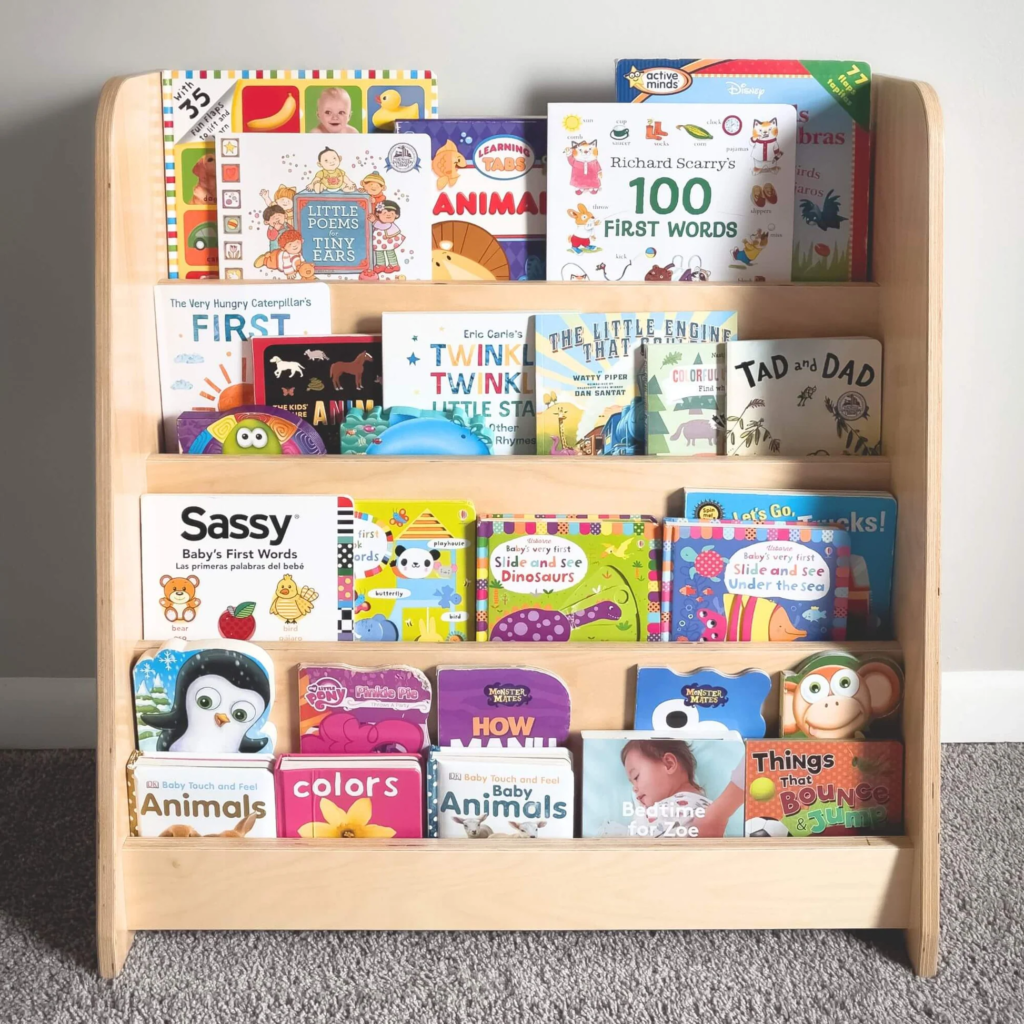
4. Read, Write, and Tell Stories
If you’re serious about mastering how to teach a child English as a second language at home, literacy routines are essential. Read to your child daily in your native language or in English. Language grows when kids listen to language daily. Tell stories to your child if you are not able to read. Make stories come to life by acting and making it fun at times.
Action Steps:
“I learned that…”
- ✏️ Encourage short daily writing (3–5 sentences).
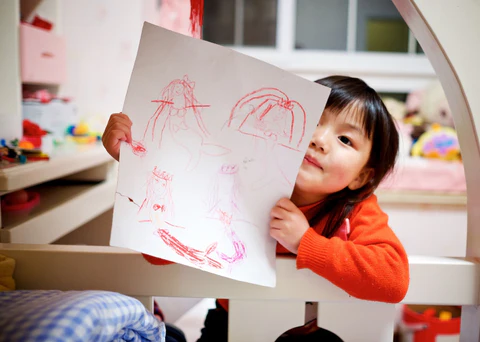
- 🎨 Have your child draw a picture and label it in English.
- 📖 Retell stories after reading: “First… Then… Finally…”
- 📝 Use sentence starters to support writing:
- “My favorite part was…”

5. Maintain the Home Language
Supporting English does not mean replacing your first language. Strong skills in the home language strengthen English development.
Action Steps:
- Continue reading and speaking in your native language.
- Discuss complex ideas in your strongest language.
- Celebrate bilingualism as a strength, not a challenge.
Research consistently shows that bilingual children develop stronger overall language skills.

Final Thoughts
Learning how to teach a child English as a second language at home is about consistency, encouragement, and meaningful interaction—not expensive programs or perfect grammar.
Small daily habits build big results.