

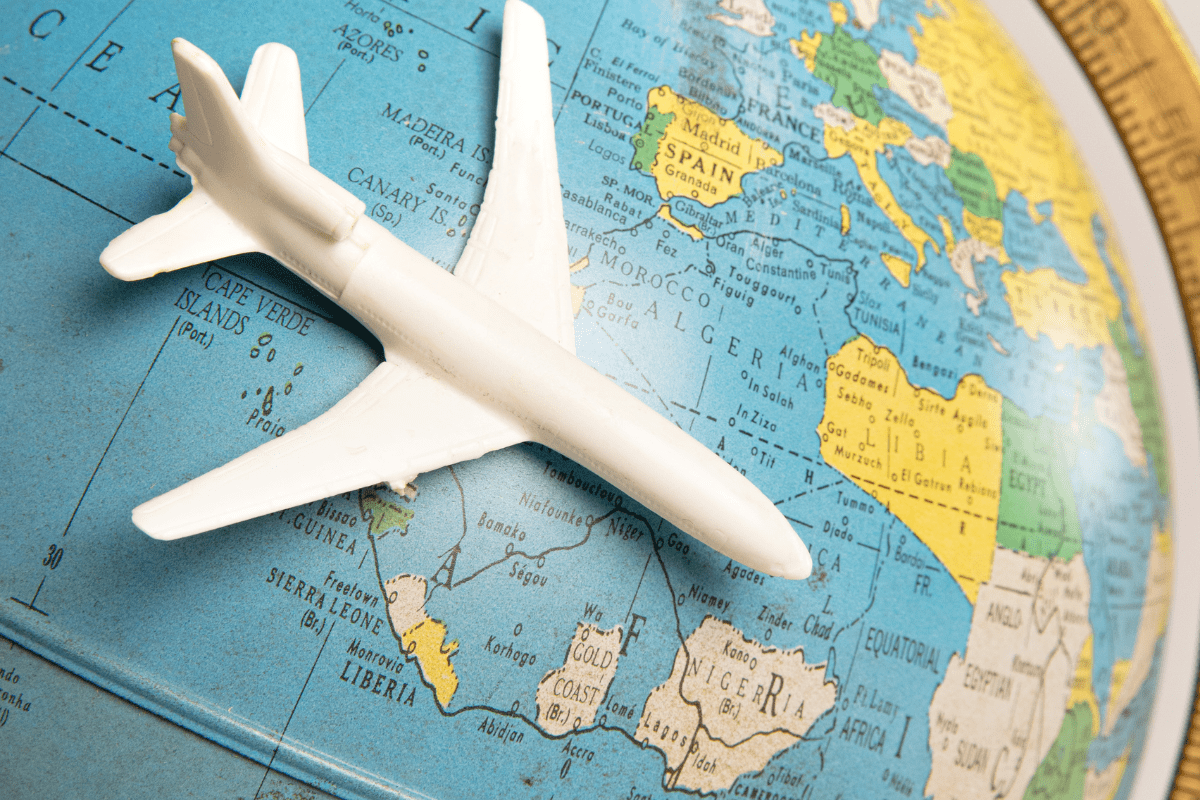
How Traveling Abroad Gives You and Your Child the Ultimate Language Experience.
Fluency in a language comes from practice. While dual language programs can provide a solid foundation, they are often not enough to achieve true fluency.
For many children, the immersive experience of practicing and learning a language abroad is essential. By surrounding themselves with native speakers and experiencing the culture firsthand, children can accelerate their language acquisition and gain a deeper understanding of the language. This makes traveling abroad a crucial step for families dedicated to mastering a new language.
Please note that this article may contain affiliate links. You can read my full disclosure at the bottom of the page.
Table of Contents
Dual language immersion programs are known for immersing students in two languages following a structure that facilitates language exposure. In addition to immersing students in language, these programs aim to provide and teach participants the target language culture. Learning about the culture of a target language is an essential component and experience of the immersion experience.
We know that language development comes with challenges that we, as parents, must overcome. Sometimes, our kids may need to be more excited about using the target language. At the same time, others may have language skills and still need to practice the language.
Why travel abroad
If you are a parent passionate about ensuring your child becomes bilingual in a second language, consider immersing your child in language exposure by traveling abroad. I know this may sound extreme for some families, but for those aiming for bilingualism, traveling abroad is the ultimate experience any language learner should have.
This experience is invaluable because it provides the cultural and linguistic immersion that dual language programs strive to deliver. Traveling abroad offers a natural setting for kids to use and hear the language they learn in school. In addition to the language exposure, traveling abroad is a wonderful opportunity to bond with your child and share enriching experiences.
Benefits of traveling abroad
The benefits of traveling abroad are limitless. The experience provides rich cultural and social interactions that most people enjoy. Kids are obligated to use the language, which allows for more practice, offers a deep cultural experience, and highlights the importance of learning languages.
Provides a cultural experience
Remember that learning a language also involves understanding its culture. A visit abroad provides a child with the cultural immersion schools strive to offer in a classroom setting. This social interaction allows your child to connect with others and use the language they learn in school.
Additionally, this experience lets kids apply their knowledge of the language and culture in real-world settings. They might even feel excited to share what they’ve learned with you and others. Exposure to another culture is always thrilling because it introduces different foods, music, communities, and educational settings.
Increase the use of the target language
Teachers constantly strive to get kids to engage in a target language within a learning environment. This challenge often involves encouraging students to use the language they are learning despite their reluctance due to embarrassment or fear of making mistakes.
Traveling to another country allows a child to use the language naturally in social interactions. As they begin to use the language, you’ll notice that the more they practice, the more comfortable they become with recalling and applying what they are learning. An experience abroad also necessitates speaking to others, further enhancing their language skills.
Allows for more practice
Using the language to communicate basic information opens doors to additional practice. If staying at a hotel, they may be forced to communicate with staff members. The practice may also come from ordering from a menu or visiting museums or other tourist places.
There are different ways to get kids to practice a language. When traveling abroad, practicing a language may begin when you arrive at the other country’s airport. The point is that because only some in another country speak English, your child can get more practice using the language. Most people abroad get excited about sharing their culture and using their native language with others.
Shows the importance of learning languages
At the beginning of this post, I mentioned how some kids hesitate to use and practice a language in the US. A language exposure traveling abroad will show your child the importance of being bilingual. They will see how learning another language opens doors to other cultures and experiences.
Students often discuss the importance of being bilingual; however, seeing how one can communicate and engage with others using multiple languages is an eye-opener when traveling abroad. In some countries, your child might see how younger kids learn and use various languages regularly.
When to travel abroad
Now, you might wonder when the best time to travel abroad is. The timing of travel depends on each family’s unique situation, including factors like school schedules, work commitments, financial considerations, and the child’s readiness.
If you have family members that live abroad
Undoubtedly, it is easier for immigrant families to learn a language abroad when they have families in their native countries. If you have families that live abroad, visiting friends or family members should become part of your yearly routine. Visiting your country should start as early as possible.
Frequent visits will help you build relationships and make connections. This will also show your child that learning a language facilitates relationships in different places. The more your child is exposed to that country, the more they will use and hear the language.
I am one of the fortunate moms who have family members abroad. As an immigrant in the USA, I have traveled with my kids to my home country. Traveling with my kids to visit family members has given them the ultimate cultural experience and connection. Additionally, our trips allow them to use Spanish because no one else speaks another language.
One intentional thing I try to do with my kids is to switch to Spanish when we are abroad. This shows them that they have to also switch to using the language and communicating with others. I also plan gatherings where I am not always with them, forcing them to communicate with others around them.
Traveling abroad (no family members)
If you do not know anyone you can visit abroad, you’ll want to decide when to begin traveling abroad to expose your child to the language. Traveling may start as soon as you can afford it or one to two years after your child has learned the language. When you decide to begin these travels, don’t forget that you might need a bilingual dictionary if you are not fluent in the target language. A paper dictionary will give you access to translation when you have no internet connection.
Planning a trip to expose your child to the language is the key to learning a language abroad. This may be a trip to a resort for the first time until you get comfortable in that country. If you do a resort, allocate some time for tours around the area. Talk to a travel agent or tour guide to get an idea of how to access other parts of the country safely.
How to choose a country
Choosing a country to travel to might be challenging, depending on the language your child is learning. The country you select must speak the language your child is learning. You’ll need to have an international travel experience with careful consideration of the country you’re aiming to visit.
If you have traveled abroad before, consider your previous exposure to other countries. A country familiar to you is more straightforward to visit and navigate. Talk to friends and family in the USA who may have experience traveling to a particular country. If possible, partner with another family or friend. Contact someone from that country who may refer you to a specific area.
Search online for information about that country. Some websites compare countries’ lifestyles for incoming visitors to countries such as Latin America.
Language exposure traveling abroad – Risks
As in every experience, traveling abroad carries some risks. Be cautious when making decisions and extra careful when in a foreign country. Many countries are safe within a resort, but things may differ when you leave the resort. Take safety precautions, such as carrying paper spray or a money pouch, to help keep your money safe. See a list of items that may help keep your cash discrete and secure.

Takeaways
Whatever you choose, remember that learning a language abroad provides language exposure and a wonderful experience. You may start with a short trip to make connections and learn about the country. Some may choose to visit multiple countries over time when the language you are targeting allows for that. Please get to know people and their culture. You show your child the importance of learning languages and the surrounding cultures by visiting a resort.
What has been your experience traveling abroad!?
Thank you for posting this article. It is really helpful for many of us.
Keep posting the material